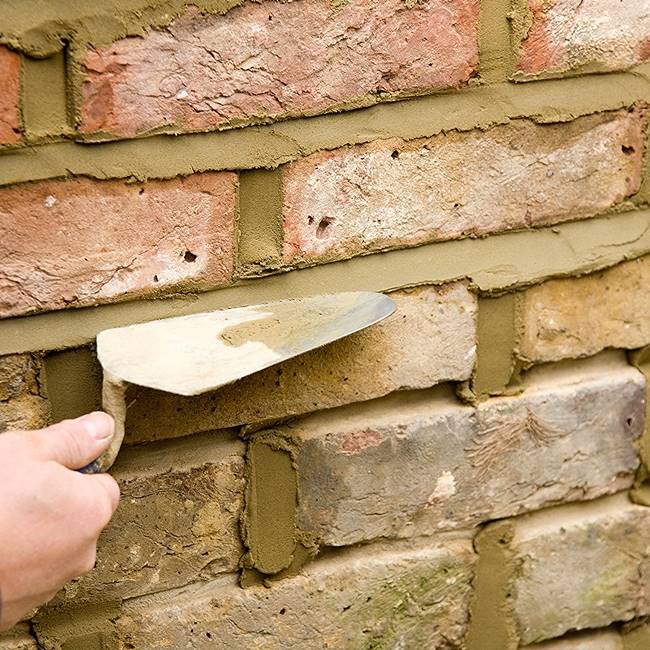
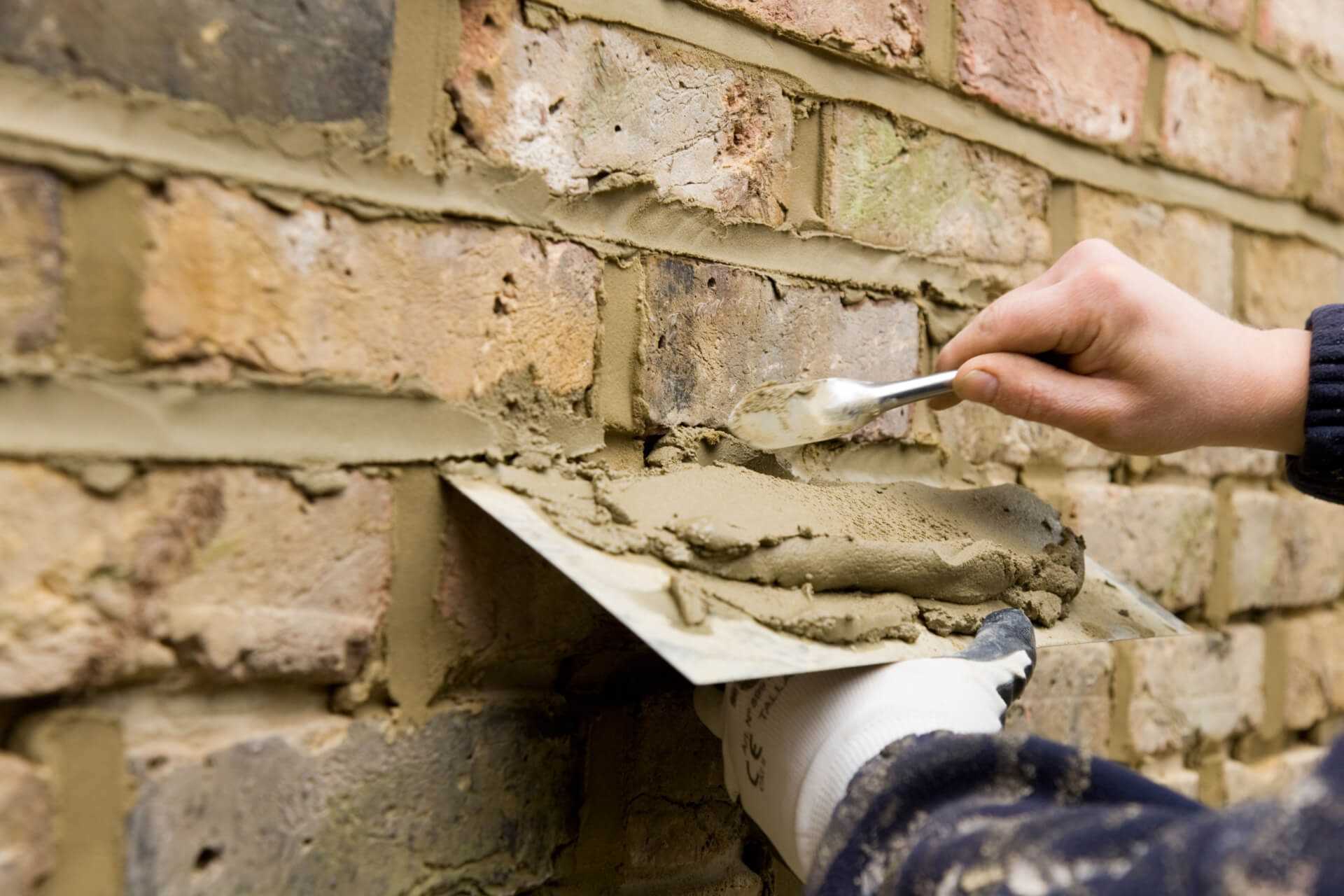
Here is a list of some of the typical repointing services we provide

Chimney Repointing
Don't let the elements compromise the integrity of your cherished chimney or fireplace! Over time, wind, rain, and frost can deteriorate the mortar that holds your chimney together, while the sulphur produced by burning wood or coal can further weaken it from within. That's where chimney repointing comes to the rescue. By repairing the mortar, you can halt any further damage and ensure the longevity and watertightness of your chimney. Embrace the warmth and peace of mind that comes with a well-maintained chimney, shielding your beloved fireplace from the harsh effects of weather and preserving it as the heart of your cosy gatherings for years to come.
Brick Repointing
Brick repointing is crucial for maintaining brick structures, as continuous exposure to natural elements like wind, rain, and frost can damage the mortar holding the bricks together. Neglecting deteriorating brick pointing may lead to leaks, damp walls, water damage, mould growth, and structural instability. Additionally, it detracts from the aesthetic appeal of the building. Therefore, as a responsible brick building owner, it is essential to prioritise repointing to prevent potential damage and ensure the longevity, strength, and beauty of your structure. Act now and invest in repointing to avoid the costly consequences of neglect.
Stone Repointing
Nature’s relentless forces can cause significant wear to the mortar pointing in stone walls, making stone repointing essential for restoring structural integrity. This critical maintenance step prevents further deterioration, using materials like sand cement mortar, lime mortar, or lime putty mortar tailored to specific needs. Stone walls endure harsh conditions, from hailstorms and rain to strong winds, often developing cracks and gaps that compromise stability. Ignoring these issues invites water damage and pests. Professional stone repointing services restore your walls to their original strength and beauty, ensuring long-lasting durability.
Lime Mortar Repointing
Lime mortar repointing is a traditional and highly effective method for repairing masonry, particularly on older and historic buildings. Unlike hard modern cement mortars, lime mortar provides a more breathable and flexible finish, allowing moisture to escape naturally while reducing the risk of trapped damp and damage to surrounding brick or stone. It is often the preferred choice where the original character, appearance, and long-term condition of the structure need to be preserved. When properly matched to the building, lime mortar repointing offers both practical performance and a more authentic finish.
Lime Putty Repointing
Lime putty repointing is a traditional method well suited to older brick and stone buildings that require a softer, more breathable mortar. Unlike harder modern cement mixes, lime putty mortar allows moisture to escape naturally from the wall, helping to reduce trapped damp and protect the surrounding masonry from unnecessary stress and damage. It is particularly suitable where the character, appearance, and long-term performance of historic or traditional masonry need to be preserved. When correctly matched to the building and applied with care, lime putty repointing provides a durable, sympathetic finish that supports both the structural health and visual integrity of the property.
Sand Cement Mortar Repointing
Sand and cement mortar repointing is often used on newer buildings where a strong, hard-wearing, and weather-resistant finish is required. This type of mortar provides excellent durability and can be well suited to modern brickwork and masonry that was originally built with stronger materials and less breathable construction methods. Choosing the correct mix is important, as a mortar that is too hard can cause problems when used on older or softer masonry. When properly specified and applied to the right type of building, sand and cement mortar repointing provides a durable and reliable finish that helps protect the structure from weathering and ongoing deterioration.
Sand Cement & Lime Mortar Repointing
Sand, cement, and lime mortar repointing uses a gauged mix that combines the strength of cement with the improved workability and flexibility provided by lime. This type of mortar can be suitable for certain buildings where a balance is needed between durability, adhesion, and ease of application. It is often used where a softer and more workable mix is preferred over a straight sand and cement mortar, while still providing a firm and dependable finish. As with any repointing work, the correct mix should be chosen carefully to suit the age, condition, and type of masonry involved.
Patio Repointing
As the years go by, the pointing on a patio can suffer from weathering, cracks, and wear, diminishing its charm. Luckily, there are numerous patio repointing products that can breathe new life into your outdoor space. A swift and effective option is a cement- or resin-based patio jointing compound. Alternatively, you can opt for the tried-and-true approach of using a sand and cement mortar mix, which remains a viable choice for patio repointing. Consulting with a professional is advisable to determine the best solution tailored to your specific requirements and ensure a successful patio restoration.
Wall Repointing
If your garden wall or any other wall shows signs of wear, like cracked or weathered mortar, repointing may be needed. Choosing the right mortar mix, whether for stone or brick, is key. Lime mortar, breathable and ideal for traditional walls, contrasts with sand and cement mortar, which offers durability for modern structures. Walls deteriorate from weather over time, so professional guidance ensures the best mortar mix for stability. Lime mortar suits heritage walls, allowing moisture to escape, while sand and cement mortar better resists erosion, suiting newer builds. Consulting experts ensures the right choice, keeping your wall strong and visually appealing.
Ridge Tile & Verge Repointing
Ridge tile and verge repointing is essential to maintaining a roof’s structure and appearance. Skilled professionals replace weakened mortar, reinforcing the roof, prolonging its life, and preventing costly water damage. Regular repointing protects your investment by ensuring both durability and curb appeal. This process is ideal for preserving the charm of historic buildings and securing modern structures, enhancing the roof's functionality and appearance. Repointing by skilled roofing professionals offers a reliable, lasting solution, providing homeowners with peace of mind and effective roof protection for years to come.
Fine Ashlar Repointing
Fine ashlar pointing is a technique used with ashlar masonry that involves repointing finely cut stones laid with minimal mortar joints, typically just a few millimetres wide. In fine ashlar pointing, mortar joints are finished with precision to create a smooth, flush surface that aligns perfectly with the masonry. This approach maintains the clean, refined look of the stonework, common in historic and high-quality architectural structures. Precision is crucial in fine ashlar pointing, as even slight inconsistencies in the mortar can disrupt the overall aesthetic, detracting from the uniformity and elegance of the finely cut stones.
Grout Injection Repointing
Grout injection repointing is a specialised technique for stabilising masonry by injecting a fluid grout mix into voids or deep cracks within mortar joints. This method is often used where traditional repointing is not possible, such as with older or structurally compromised masonry or where internal voiding is extensive. The grout, often a blend of cement, lime, and additives, is injected under controlled pressure to fill gaps, bond loose materials, and reinforce the wall without dismantling. This process not only strengthens the structure but also improves its durability and resistance to future damage, making it ideal for heritage restoration and long-term preservation.