Chimney Repairs & Maintenance

As providers of expert chimney repairs and maintenance in Berwick-upon-Tweed, North Northumberland, and the Scottish Borders, Northfield Contracts Ltd. can help keep your chimney safe, weatherproof, and working as it should.
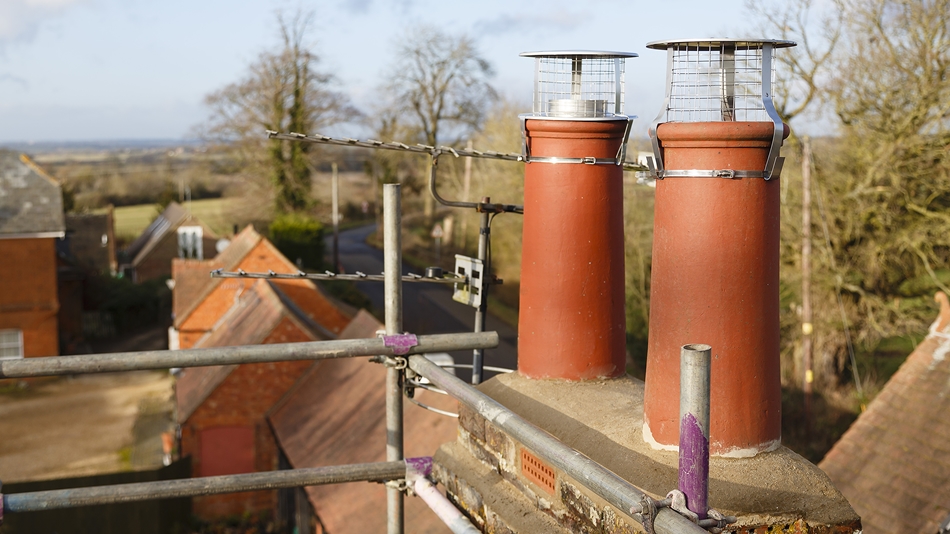
New red clay chimney pots with stainless steel ventilated cowls and fresh flaunching viewed from scaffolding above a rural property.

Tailored Chimney Repairs by Your Local Building Experts

A chimney is exposed to wind, rain, frost, and constant temperature changes all year round, so even minor defects can quickly turn into larger issues if left unattended. From failing mortar joints and loose pots to split flaunching, damaged leadwork, and water ingress around the stack, timely repairs help protect both the chimney and the roof structure it passes through. We carry out chimney repairs and maintenance in Berwick-upon-Tweed, North Northumberland, and the Scottish Borders, providing practical inspections and preventative checks that help identify problems early and reduce the risk of more disruptive, costly remedial work later. Whether your property has a modern brick stack or traditional stonework, the repair approach should suit the materials, overall condition, and roof build-up, ensuring the finished result looks right, weathers properly, and performs reliably for the long term.

Our chimney repair and maintenance services include the following

Brickwork and stonework repairs

Repairs to chimney masonry often involve replacing damaged bricks or stones, rebuilding unstable sections, and reinstating sound mortar joints to restore strength and stability. This work is particularly important where weathering, sulphate attack, or long-term moisture exposure has led to cracking, spalling, or loose faces that can worsen during frost and high winds. Where sections have started to lean, separate, or open up at the corners, careful rebuilding helps re-establish proper bonding and load transfer, reducing the risk of movement and future failure. Matching materials and using appropriate mortars also helps the repaired areas blend in visually and perform properly, preventing further deterioration caused by water penetration, freeze-thaw cycles, and persistent damp within the stack.

Chimney repointing

Worn, recessed, or cracked pointing can let water track into the chimney stack and the surrounding roof structure, which often leads to internal damp patches, salt staining, and accelerated masonry damage. Repointing renews the mortar joints, improves weather resistance, and restores the chimney’s ability to shed water correctly, particularly on exposed elevations where wind-driven rain is common. On older chimneys, careful workmanship is essential so the new mortar suits the original materials and allows the stack to breathe as intended, avoiding trapped moisture and premature breakdown. A well-finished repointing job also sharpens the overall appearance of the chimney, improves the durability of the stack, and helps reduce the likelihood of more extensive repairs later.

Lead flashing repairs and renewal

Flashing is one of the most common causes of leaks around chimneys because it forms the critical seal between the stack and the roof covering, and even small failures can allow water to enter. We can repair split, lifted, or loose leadwork, renew damaged sections, and address issues such as fatigued laps, inadequate upstands, or poor chasing that can compromise the junction over time. Correct detailing is key, including secure fixings, properly formed steps, and neatly dressed sections that sit correctly with the surrounding slates or tiles. When repaired or renewed to the right standard, the chimney-to-roof junction is sealed effectively, reducing the risk of water ingress, protecting timbers and ceilings beneath, and improving long-term weather performance.

Flaunching repairs

The mortar bedding around chimney pots, known as flaunching, can crack, shrink, or fail over time due to constant exposure, vibration, and repeated freeze-thaw conditions at the top of the stack. When flaunching breaks down, water can enter the chimney and saturate the masonry below, increasing the risk of staining, frost damage, and loosened pots during high winds. Renewing or repairing the flaunching helps secure the pots properly and improves weather protection by forming a sound, correctly shaped finish that sheds water away from the flue openings and the top course of masonry. Done well, it supports the stability of the terminal area, reduces ongoing moisture penetration, and helps the chimney perform reliably through the seasons.

Chimney pots, cowls, and bird guards

Missing, damaged, or poorly fitted chimney pots and cowls can affect chimney performance and allow rain, debris, or nesting birds to enter the flue, leading to blockages, damp issues, and ventilation problems. We can replace cracked or unstable pots, reinstate secure fixings, and install suitable cowls that help manage wind effects, improve draw where required, and reduce the risk of rain ingress without restricting airflow. Bird guards can also be fitted to prevent nesting and obstruction, which is particularly important during spring and summer when activity increases. Selecting the right terminals for the flue type and appliance use helps support safe, reliable operation, improves consistency of performance, and reduces the chance of avoidable call-outs.

Chimney inspections and preventative maintenance

Regular chimney checks can identify loose masonry, deteriorating mortar, defective leadwork, and early signs of water ingress before they develop into larger, more disruptive issues. Inspections may highlight movement, cracking, missing joints, failing flaunching, or weakened areas around the roof junction, allowing remedial work to be planned at the right time rather than becoming an emergency repair. Preventative maintenance can include minor repointing, securing loose elements, addressing small lead defects, and keeping terminals and guards in good order, all of which helps extend the life of the chimney. By tackling problems early, you reduce the likelihood of unexpected repairs, limit the risk of internal damage, and protect both the chimney stack and the surrounding roof structure over the long term.

Full chimney stack rebuilds

Where a chimney is severely weathered, unstable, leaning, or has widespread masonry failure, a full rebuild can be the safest and most reliable long-term solution. This allows the stack to be taken down to sound masonry and rebuilt with correct bonding, suitable mortar, and properly formed details at the top of the chimney and the roof junction. A rebuild is often the right choice where repeated patch repairs have not held, where bricks or stones are breaking down through frost damage, or where movement has opened up joints and led to persistent water ingress. Completed correctly, it restores structural integrity, improves appearance, and provides a secure base for leadwork, pots, and cowls to perform as intended.

Chimney removal and roof reinstatement

In some cases, removing an unused or redundant chimney is the most practical option, particularly where the stack is beyond economical repair or is a recurring source of leaks. This typically involves dismantling the chimney to a suitable level, safely managing materials, and reinstating the roof structure and coverings so the area is fully weather tight and visually consistent. Careful detailing ensures the roof line is finished neatly and any internal making good can be planned properly. When done correctly, chimney removal reduces ongoing maintenance and eliminates a common source of water ingress and structural risk.
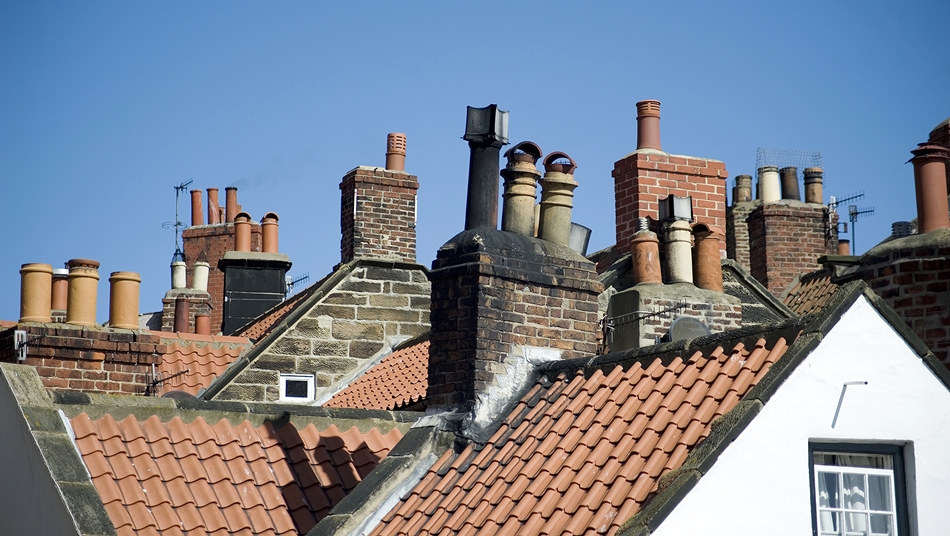
Rooftops of houses with multiple brick and stone chimney stacks topped with various chimney pots under a clear blue sky.

Benefits of Our Chimney Repair and Maintenance Services

A well-maintained chimney supports safe use, helps prevent leaks, and protects the roof structure and internal finishes from damp-related damage. Timely attention to failing joints, defective leadwork, and worn flaunching reduces the likelihood of water tracking into loft spaces, ceilings, and wall areas, which can lead to staining, decay, and expensive follow-on repairs. Prompt remedial work can also improve comfort by limiting draughts and heat loss around the chimney area, particularly where gaps, movement, or defective sealing at the roof junction are allowing cold air and moisture to enter. Keeping the stack in sound condition maintains stability in high winds and heavy weather, reduces the risk of loose masonry or pots becoming a hazard, and helps preserve the overall appearance of the roofline. With a professional repair approach suited to your property’s materials and roof build-up, you gain dependable long-term performance, stronger weather resistance, and the reassurance that potential issues are being managed before they escalate.

FAQs

What are the chimney repair and maintenance services that you provide in Berwick-upon-Tweed, North Northumberland, and the Scottish Borders?

Accordion Indicator Arrow

We provide a full range of chimney repairs and preventative maintenance, including brickwork and stonework repairs, chimney repointing, lead flashing repairs and renewal, flaunching repairs, replacement or installation of chimney pots, cowls, and bird guards, chimney inspections and maintenance checks, full chimney stack rebuilds, and chimney removal with roof reinstatement. Each approach is matched to the chimney materials, overall condition, and the roof build-up so the result is both reliable and visually appropriate.

What are the early warning signs that a chimney needs attention?

Accordion Indicator Arrow

Common signs include cracked or missing mortar joints, loose or leaning pots, split or crumbling flaunching at the top of the stack, damp staining internally around chimney breasts or upper wall areas, and leaks that appear after wind-driven rain. You may also notice lead flashing lifting or separating at the roof junction, small pieces of mortar dropping, or visible cracking and spalling to brickwork or stonework. Early identification is important because minor defects can develop quickly due to exposure and freeze-thaw cycles.

Why is chimney repointing so important for weatherproofing and damp prevention?

Accordion Indicator Arrow

Recessed, cracked, or degraded pointing allows water to track into the chimney stack and sometimes into the surrounding roof structure, which can lead to internal damp patches, salt staining, and accelerated masonry decay. Repointing restores the mortar joints, improves the chimney’s ability to shed water, and helps the stack perform properly on exposed elevations where wind-driven rain is common. On older chimneys, using appropriate mortars and careful workmanship also helps the stack breathe as intended, reducing trapped moisture and premature breakdown.

How do lead flashing defects cause leaks, and what does proper repair involve?

Accordion Indicator Arrow

Lead flashing forms the critical seal between the chimney stack and the roof covering, so even small failures can allow water into the roof structure. Common issues include split lead, lifted edges, fatigued laps, inadequate upstands, and poor chasing into the masonry. Proper repair or renewal involves correct detailing, secure fixings, neatly formed step flashing where needed, and well-dressed sections that sit correctly with surrounding slates or tiles. When completed to a good standard, it significantly reduces leak risk and protects timbers and internal finishes beneath.

What is flaunching, and why do chimney pots and cowls need secure, correct detailing?

Accordion Indicator Arrow

Flaunching is the mortar bedding around chimney pots at the top of the stack. Over time it can crack or shrink due to weather exposure, vibration, and repeated freeze-thaw conditions, allowing water to enter the stack and saturate masonry below. Secure, correctly formed flaunching helps shed water away from the flues and top course while keeping pots stable in high winds. Suitable cowls can help manage wind effects, limit rain ingress, and support consistent performance, while bird guards reduce the risk of nesting and flue blockages.

When is a full chimney rebuild or removal the most sensible long-term solution?

Accordion Indicator Arrow

A full rebuild is often the safest option where a chimney is severely weathered, unstable, leaning, or has widespread masonry failure, particularly if repeated patch repairs have not held or water ingress is persistent. Rebuilding allows correct bonding, suitable mortar selection, and properly formed details at the top and at the roof junction. Removal and roof reinstatement can be the most practical route for redundant chimneys that are beyond economical repair or are recurring sources of leaks, as it eliminates ongoing maintenance and reinstates a fully weathertight roofline.

Receive a free, no-obligation quote

For a free, no-obligation quote for chimney repairs and maintenance in Berwick-upon-Tweed, North Northumberland, and the Scottish Borders, please complete and submit our Quick Quote Form. We will contact you as soon as possible with the required information.