The Essential Guide to Chimney Repairs and Maintenance | Blog

Welcome to our blog! Learn how to keep your chimney safe and efficient with Northfield Contracts Ltd., your trusted provider of chimney repair and maintenance services in Berwick-upon-Tweed, North Northumberland, and the Scottish Borders.

Chimney Repair and Maintenance Services in Berwick-upon-Tweed, North Northumberland, and the Scottish Borders

23.11.2025

Protecting Your Home with Chimney Repairs and Maintenance

Chimneys are often overlooked until something goes wrong, yet they play an important role in the safety, comfort, and appearance of your home. Whether you have an open fire, wood-burning stove, gas appliance, or a disused stack, a neglected chimney can allow water to enter, become unstable, or create serious safety risks.

For many homeowners, regular chimney repairs and maintenance are particularly important, especially where properties are older, exposed to harsh weather, and built with traditional brick or stone.

This practical guide explains how chimneys work, common problems, how they are repaired, and why our professional chimney repair services in Berwick-upon-Tweed, North Northumberland, and the Scottish Borders are often a safe and cost-effective option.
How Your Chimney Works

Although many chimney stacks look simple from ground level, they are formed from several components that all need to work together, including:

  • Chimney stack above the roofline
  • Flues that carry smoke and gases from fireplaces or appliances
  • Chimney pots that help direct smoke and improve draw
  • Flaunching at the top, which secures the pots and sheds water
  • Lead flashings and soakers where the stack meets the roof
  • Cappings, cowls, or ventilated caps on disused chimneys

A sound chimney safely vents smoke and combustion gases away from the property, prevents water ingress, and remains stable in high winds. Any weakness in this system can lead to leaks, staining, damp patches, or in serious cases, falling masonry.

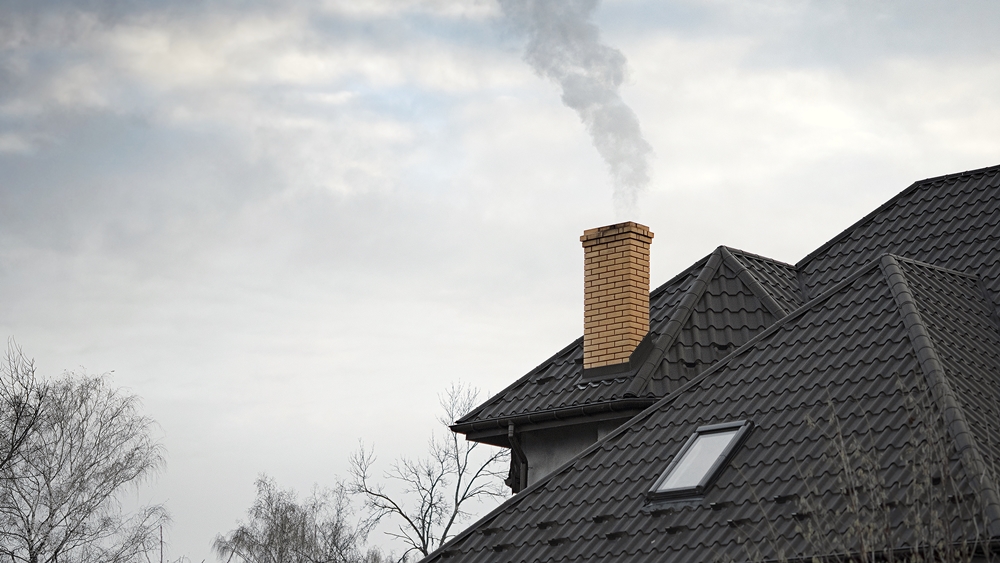
Brick chimney stack on a tiled roof with smoke venting safely into the sky.
Brick chimney stack above a tiled roof safely venting smoke away from the property.

Common Chimney Problems

Over time, weather, age, and normal wear can cause a range of issues, even where a chimney appears sound from ground level. Many problems start small and gradually worsen, so early signs are easy to miss. Some of the most common defects include:

Deteriorated Pointing and Mortar Joints

Mortar between bricks or stone will eventually weather and erode under constant exposure to rain, frost, and thermal movement. As pointing fails, fine hairline cracks and gaps begin to open up, allowing wind-driven rain to penetrate the masonry. Over time, this trapped moisture can saturate the chimney, reduce its strength, and wash out more mortar. In cold conditions the water freezes and expands, forcing joints apart and loosening bricks, which accelerates further damage and can ultimately destabilise the stack if left untreated.

Cracked or Spalled Bricks and Stone

Repeated wetting and drying, frost action, and salt deposits within the masonry can cause bricks or stone to crack, flake, or “spall” on the surface. This often shows as faces breaking away or edges crumbling. As more material is lost, the wall of the chimney becomes thinner and less able to resist wind loading. Aside from looking unsightly, this type of damage can compromise the structural integrity of the stack, create routes for water to enter, and in severe cases lead to loose or displaced masonry that may become hazardous.

Damaged or Loose Chimney Pots

Chimney pots sit at the very top of the stack and take the full force of wind and weather, so over time they can crack, chip, or work loose from the mortar that holds them in place. Strong gusts, previous alterations, or poorly bonded bedding can cause a pot to shift so it sits crooked or starts to wobble. If that movement continues, there is a real risk of pieces breaking off or the whole pot coming down, which is dangerous for anyone or anything below. A pot that is no longer firmly seated can also upset how the chimney draws, allow rain to run straight into the flue, and create swirling smoke that pushes fumes back towards the fireplace or appliance.

Failed Lead Flashings and Soakers

Where the chimney meets the roof, lead flashings and soakers are designed to create a weather-tight seal between the masonry and roof covering. Over time, these can lift, split, or corrode, especially if they have been fixed incorrectly, chased too shallowly into the brickwork, or stressed by movement in the roof structure. Once gaps open up, water can track beneath the covering and find its way into the roof space, often showing internally as damp staining on ceilings and walls below. Because the leak path can be indirect, failed flashings are a frequent cause of persistent and hard-to-trace damp issues.

Defective Flaunching

Flaunching is the hard, weather-resistant layer formed around the bases of the chimney pots at the top of the stack, usually made from a cement-rich mix, and it holds the pots firmly in place while helping to shed water away from the chimney. Constant exposure to sun, frost, and thermal movement can cause this layer to crack, craze, or break up into loose fragments. As it deteriorates, water can enter around the base of the pots and soak into the core of the chimney, promoting further decay of brickwork, mortar, and liners. Loose or failed flaunching also reduces the stability of the pots themselves, increasing the risk of movement or dislodgement during high winds.

Damp and Staining Around the Chimney

When the chimney crown, stack, or flashings fail, moisture can travel through the masonry and appear as damp patches on chimney breasts, in loft spaces, or on ceilings near the stack. This may show as yellow or brown staining, flaking paint, blistered plaster, or areas of persistent mould growth. Soot staining or dark brown marks often indicate long-term moisture movement carrying tar and contaminants through the structure. If not addressed, this damp can damage finishes, reduce insulation performance, and contribute to musty odours and poor indoor air quality.

Blocked or Poorly Ventilated Flues

Over time, flues can become partly or fully blocked by soot build-up, nesting birds, loose debris, or leftover pieces of old liners. When the passage is narrowed, the chimney does not draw properly, and fumes can be pushed back into the room, creating hazards such as smoke nuisance or dangerous carbon monoxide. Thick, tar-like deposits from burning damp or unseasoned fuel can also coat the inside of the flue, tightening it further and increasing the risk of a chimney fire. In disused chimneys, sealed openings and a lack of ventilation encourage condensation, which can soak into surrounding masonry and lead to damp staining. Ensuring flues are kept clear and properly ventilated is essential for both safe appliance operation and the long-term health of the chimney structure.

Weathered brick chimney stack with cracked masonry and damaged flaunching needing repair.
Weathered brick chimney stack with cracked masonry and failing flaunching in need of repair.

Signs Your Chimney May Need Attention

While some chimney problems are only visible from roof level, there are often clues you can spot from the garden, pavement, or inside your home. Paying attention to these early warning signs can help you catch issues before they develop into serious structural or damp problems. From ground level or inside the property, you may notice:

  • Cracks in the chimney stack or missing mortar
  • Vegetation growing from joints or brickwork
  • Leaning or visibly distorted stacks
  • Loose, cracked, or leaning chimney pots
  • Water staining or damp patches on ceilings near the chimney
  • Peeling paint, blown plaster, or salt deposits on chimney breasts
  • Bits of mortar, brick, or stone found in gutters

Any of these signs suggest that a closer inspection is needed. On their own they might seem minor, but together they often point to movement, weathering, or water ingress within the stack. If left unresolved, small defects can lead to damp, internal damage, or costly structural repairs, so it is sensible to have them checked by a competent contractor.

Leaning brick chimney stack with weathered masonry against a clear blue sky, indicating the need for inspection and repair.
Leaning brick chimney stack showing clear signs that inspection and repair are needed.

Typical Chimney Repair Work

Every chimney is slightly different, especially across the mix of stone and brick properties in Berwick-upon-Tweed, North Northumberland, and the Scottish Borders. However, most chimney repair projects involve some combination of the following tasks.

Chimney Repointing

Repointing involves cutting out loose or decayed mortar joints and packing them with a new, suitable mix. For traditional brick and stone chimneys, choosing the right mortar – for example, lime-based mixes on older buildings – allows the structure to breathe and accommodate natural movement. Repointing helps to:

  • Improve weather resistance
  • Reduce water penetration and damp risk
  • Restore the appearance of the chimney
  • Extend the overall lifespan of the stack

Together, these improvements help preserve both the structural integrity and the character of the chimney over time.

Rebuilding or Partial Rebuilding of the Stack

Where damage is severe, sections of the chimney may need to be carefully dismantled and rebuilt. Typical rebuilding work may include:

  • Removing unstable or fractured sections
  • Rebuilding in suitable brick or stone
  • Introducing new damp-proof trays where appropriate
  • Ensuring the stack is plumb and properly tied

In the most serious cases, a full rebuild above roof level may be the safest and most reliable approach.

Repairing Flaunching and Chimney Pots

The top of a chimney stack takes the brunt of the weather, so if the flaunching or pots start to break down, deterioration can happen quite quickly. Repair work often involves:

  • Breaking out and replacing damaged or loose flaunching
  • Resetting sound chimney pots securely in fresh material
  • Replacing cracked or weakened pots where necessary
  • Fitting ventilated caps or cowls to redundant or disused flues

These measures help to secure the pots, keep water out of the chimney core, and maintain controlled ventilation where flues are no longer in regular use.

Leadwork and Flashing Repairs

Lead flashings and soakers form the critical weathering junction between the chimney and the roof. Where problems occur, remedial work may include:

  • Lifting and re-dressing lead so it sits correctly
  • Repairing or replacing sections that are split or corroded
  • Integrating the lead with the roof covering to maintain a continuous weathering system

When this junction is detailed correctly, it greatly reduces the likelihood of chimney-related leaks inside the property.

Rendering or Weatherproof Coatings

In some situations, particularly with very exposed stone or mixed brickwork, a breathable render or suitable protective coating may be applied to help shed water. Typical treatments may include:

  • Applying a breathable render to vulnerable faces of the stack
  • Using appropriate mineral or silicone-based coatings on exposed masonry
  • Renewing or removing failed existing coatings before re-application

Any such treatment must be carefully selected and applied so that moisture is not trapped within the structure.

Flue Ventilation and Caps

Disused flues should not simply be sealed at the top and bottom, as this can trap moisture and cause damp. Instead, good practice is to:

  • Fit ventilated caps rather than solid terminals at the top of the chimney
  • Install appropriate internal vents at the former fireplace opening or at register plate level
  • Clear blockages or debris before closing off a redundant flue

Handled in this way, redundant flues retain a gentle airflow through the chimney, allowing it to dry out and reducing the risk of damp or condensation.

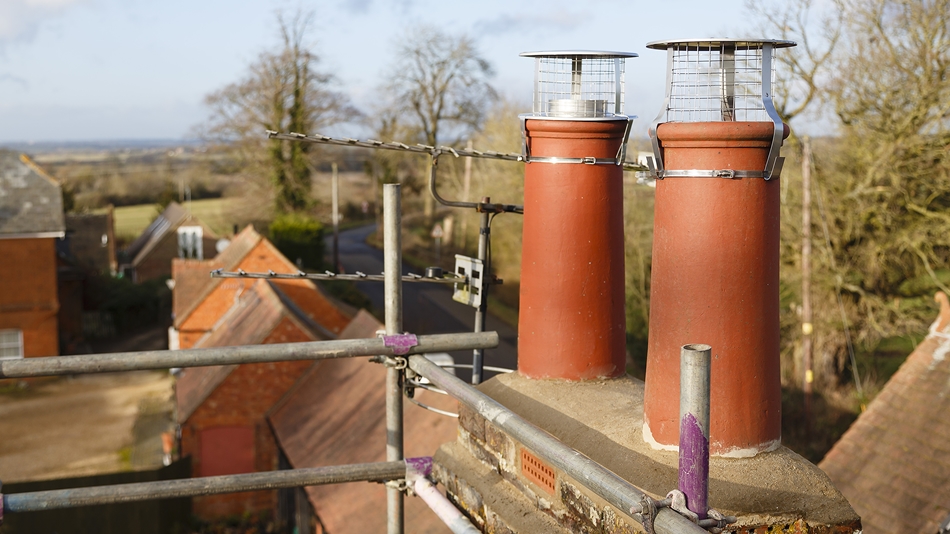
New red clay chimney pots with stainless steel ventilated cowls and fresh flaunching viewed from scaffolding above a rural property.
New chimney pots with new ventilated cowls and flaunching in place during scaffolded repair work.

Routine Chimney Care and Maintenance

Routine care and maintenance can reduce the likelihood of unexpected chimney problems and help keep your home dry and safe. Practical steps that homeowners can take include:

  • Looking from ground level for any obvious changes in the stack, such as missing joints, damaged masonry, or pots that appear out of line
  • Checking the loft or roof space occasionally for any damp patches, discolouration, or daylight showing through around the chimney
  • Watching for new marks on ceilings or walls close to the chimney after periods of heavy rain or strong winds
  • Making sure gutters and downpipes near the stack are clear so water is not allowed to spill onto the masonry
  • Arranging regular visits from a competent chimney sweep where flues are in use, so that deposits are removed and any developing issues can be noted early

For older properties or homes in particularly exposed positions, occasional professional inspections provide added reassurance and can identify necessary repairs before they develop into more extensive work.

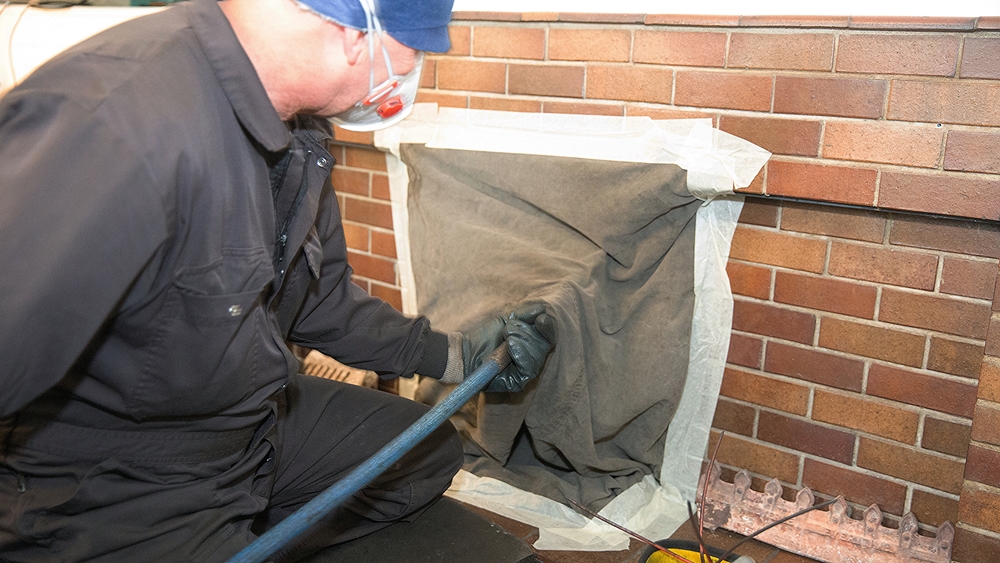
Professional chimney sweep using cleaning rods to clean a covered fireplace flue in a brick chimney.
Professional chimney sweep carrying out routine flue cleaning to keep the chimney safe and efficient.

Chimneys, Damp and Your Roof

Chimney problems and roof issues are often linked. Water entering around a chimney can travel some distance before it finally shows as a visible mark inside, so the true source is not always immediately obvious.

Common interactions include:

  • Water finding its way beneath tiles or slates through defective or poorly detailed flashings
  • Moisture tracking along rafters or other roof timbers before reaching ceilings
  • Saturated brickwork allowing damp to migrate into loft or roof spaces
  • Poorly ventilated flues contributing to condensation and moisture on internal chimney walls

A thorough assessment looks at both chimney and roof together, so that any repair plan addresses the full moisture path rather than just treating the most obvious symptom.

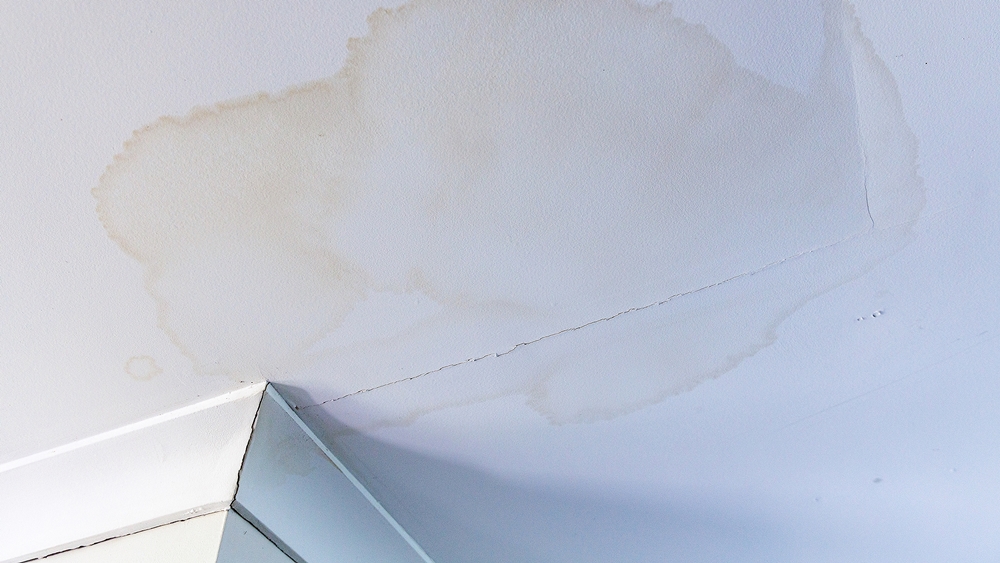
Ceiling with brown water staining and a long crack caused by leaks around the chimney and flashing.
Internal ceiling staining and cracked plaster caused by water ingress from chimney and flashing leaks.

Safety Considerations and Regulations

Working on chimneys involves working at height, often in exposed and awkward positions. Secure access must be arranged before any work begins, typically by installing suitable scaffolding or access platforms and, where appropriate, roof ladders. Competent contractors plan the job around recognised safety methods, select the right protective and fall-prevention equipment, and put measures in place to safeguard anyone working on or passing beneath the area.

Where chimneys serve live appliances, such as solid fuel stoves or gas boilers, there are additional considerations. Flues must be suitable for the appliance, correctly lined where required, and properly terminated. Coordination with qualified stove installers, Gas Safe engineers, or HETAS-registered professionals may be necessary to ensure everything functions safely and in line with current standards.

Older or listed properties may have further constraints, and the use of compatible materials is important to protect both the building fabric and its character. In some cases, consultation with local authority conservation or planning teams is advisable before major alterations to a chimney are carried out.

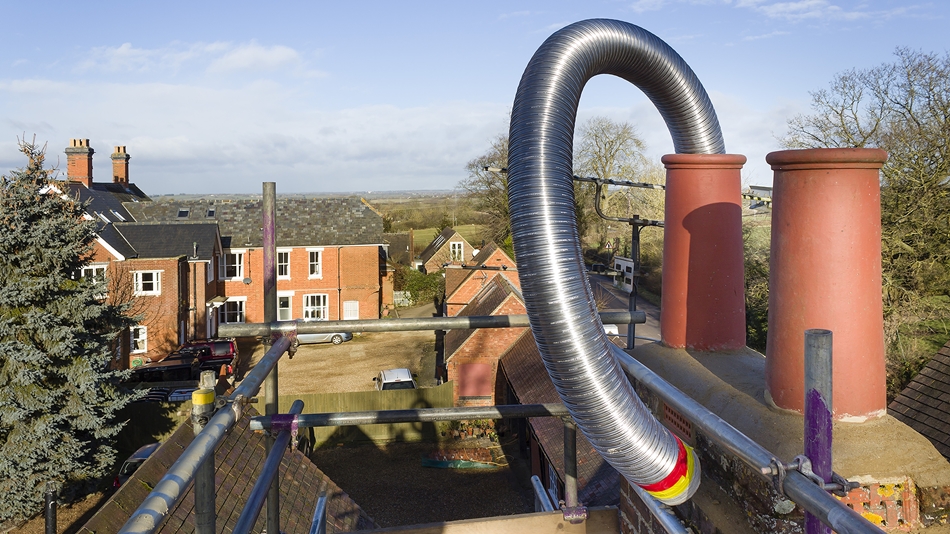
Flexible stainless steel flue liner looped above chimney pots, being installed from secure roof scaffolding.
Flexible stainless steel flue liner positioned from secure scaffolding during safe chimney repair work.

Choosing Chimney Repair and Maintenance Services in Berwick-upon-Tweed, North Northumberland, and the Scottish Borders

When selecting a contractor to carry out chimney repairs and maintenance in this region, it is helpful to look for:

  • Experience with traditional brick and stone chimneys
  • An understanding of local weather exposure and typical property types
  • Clear explanations of the issues identified and the proposed solutions
  • A detailed written quotation outlining the scope of work
  • Evidence of safe working practices and appropriate insurance

A contractor who can also address associated roofing, repointing, and leadwork issues will often provide a more integrated and efficient solution.

Explore Our Comprehensive Range of Services!

VIEW SERVICES

Frequently Asked Questions About Chimney Repairs and Maintenance

How much does chimney repair and maintenance usually cost?

The cost of chimney repair and maintenance depends on the type and extent of the work required. Minor repointing or flaunching repairs will generally be less involved than rebuilding sections of the stack, renewing leadwork, or addressing associated roof issues. Access, height, and the condition of the surrounding roof covering also influence the price. We normally recommend a site visit so that we can provide a clear, written quotation for the specific repairs needed.

Do I always need scaffolding for chimney repairs?

Not every chimney repair requires full scaffolding, but safe access is essential. Smaller tasks on lower roofs may sometimes be carried out using access towers or suitable roof ladders, provided this can be done safely and in line with regulations. More extensive work, or repairs on taller or more exposed properties, will usually require scaffolding to allow the job to be completed properly and safely. Your contractor should explain the access method they propose and why it is appropriate.

How often should my chimney be inspected or checked?

For most homes, it is sensible to have the chimney visually checked from ground level a few times a year, especially after periods of severe weather. A more detailed professional inspection every few years is advisable, particularly for older properties or those in exposed locations. If you notice new cracks, loose pots, damp marks, or debris in gutters, it is best to arrange an assessment sooner rather than waiting for a routine check.

Do I need planning permission to alter or remove a chimney?

Many straightforward chimney repairs, such as repointing, renewing flashings, or replacing pots on a like-for-like basis, do not usually require planning permission. However, altering the height of a stack, removing a chimney, or working on a listed building or property in a conservation area may need consent. In these cases, it is wise to check with the local authority or seek professional guidance before proceeding. This helps to ensure that any work complies with planning and conservation requirements.

What are the signs that a chimney might be unsafe?

Potential signs of an unsafe chimney include noticeable leaning, severe cracking, missing sections of brick or stone, or pots that appear loose or out of line. Inside the property, persistent damp patches, falling debris, or staining around the chimney breast may also indicate problems that could worsen if left unattended. If you have any concerns about stability or safety, you should arrange for a competent contractor to inspect the chimney and advise on the best course of action.

How Northfield Contracts Ltd. Can Help

At Northfield Contracts Ltd., we have extensive experience working on chimneys across Berwick-upon-Tweed, North Northumberland, and the Scottish Borders. Our chimney repair services range from straightforward repointing and leadwork to more involved rebuilds, flaunching repairs, and associated roofing works.

We take the time to inspect the chimney carefully, discuss any concerns you have noticed, and identify the root causes of deterioration or damp. From there, we recommend practical, long-term repairs that suit the age and construction of your property, carry out the work safely using appropriate access methods and materials, and restore surrounding finishes so that the chimney and roofline look neat and well maintained.

Whether you have noticed loose mortar, damp patches, cracked pots, or simply feel that your chimney needs checking, professional advice at an early stage can prevent more serious problems from developing. If you would like to discuss chimney repair and maintenance services or arrange a free, no-obligation quote, you can contact Northfield Contracts Ltd. for friendly, straightforward guidance on the best way to protect your chimney and your home.

Visit Our Dedicated Chimney Repairs & Maintenance Page!

VISIT PAGE

Conclusion

Chimneys work quietly in the background to keep your home safe, dry, and comfortable. By understanding how they are built, recognising early warning signs, and arranging timely repairs and maintenance, you can reduce the risk of leaks, damp, and structural problems. If you are unsure about the condition of your chimney, arranging a professional inspection and clear plan of remedial work can provide confidence that your roof and chimney are performing as they should.

Contact Us For Your Chimney Repairs & Maintenance!

CONTACT US
"Northfield Contracts Ltd., your trusted choice for chimney repairs and maintenance in Berwick-upon-Tweed, North Northumberland, and the Scottish Borders."

Share this post.

Stay informed.

Your data will be stored and processed in accordance with our Privacy Policy.

Latest Blogs

Receive a free, no-obligation quote

Looking for reliable chimney repair and maintenance services in Berwick-upon-Tweed, North Northumberland, and the Scottish Borders? Complete our Quick Quote form today for a free, no obligation quote. We will contact you as soon as possible to discuss your chimney and provide the information you need.