The choice of roofing material determines the specific installation method. Below are common flat roofing systems and their application processes:
- EPDM (Ethylene Propylene Diene Monomer):
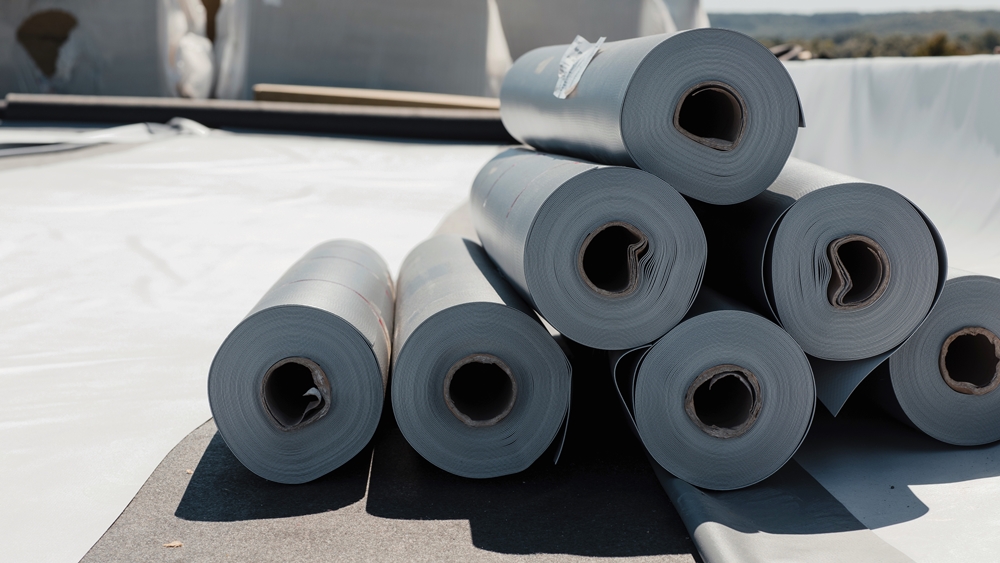
EPDM membranes are unrolled and laid over a clean, dry, and prepared substrate. Adhesives are evenly applied to secure the membrane, with seams sealed using specialised tapes or adhesives to create watertight joints. Heat-weldable EPDM options are also available and are steadily gaining popularity for their enhanced durability. Once installed, edges are trimmed, and inspections confirm a proper seal and finish. This process results in a durable, flexible roofing system resistant to temperature changes and UV exposure.
- GRP Fibreglass (Glass Reinforced Plastic):
GRP installation begins with preparing the substrate, ensuring it is smooth and primed. A resin coat is applied as an adhesive layer, followed by carefully laying fibreglass matting to cover the surface. Another coat of resin is applied to saturate the matting and bond it securely to the substrate. Finally, a topcoat is applied to create a seamless, weatherproof finish. The curing process solidifies the material, making it suitable for flat roofs with complex geometries.
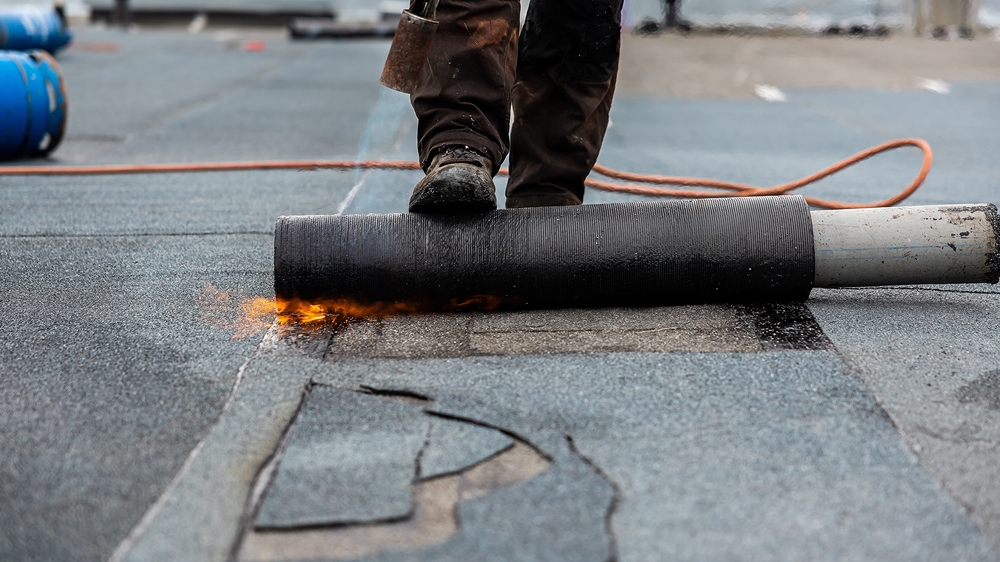
- Torch-On Felt (Modified Bitumen):
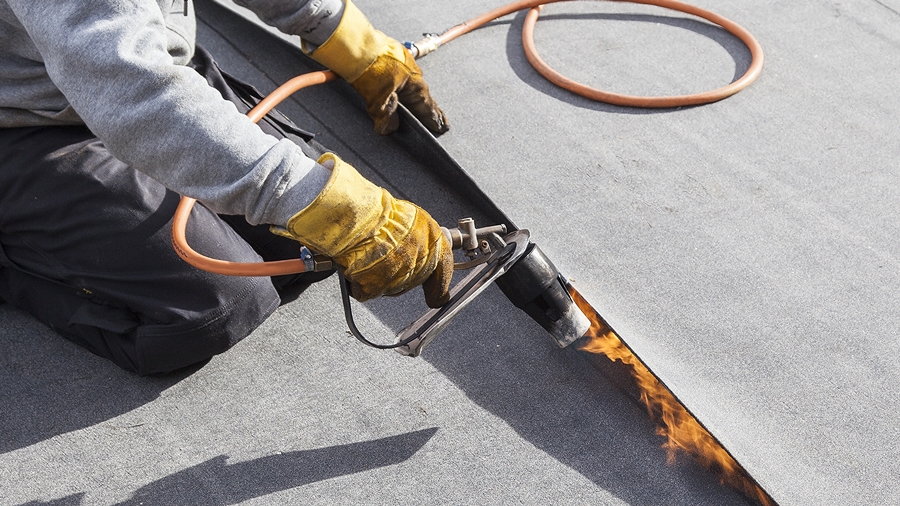
The roof surface is first primed with a bitumen-based primer for better adhesion. Rolls of torch-on felt are unrolled, and a propane torch is used to heat the bitumen backing as the material is rolled out. This process bonds the felt to the substrate and ensures a watertight seal. Multiple layers may be applied for added durability, with overlaps carefully sealed to prevent leaks. Torch-on felt roofing is particularly effective for flat or low-slope roofs.
- PVC Membrane (Polyvinyl Chloride):
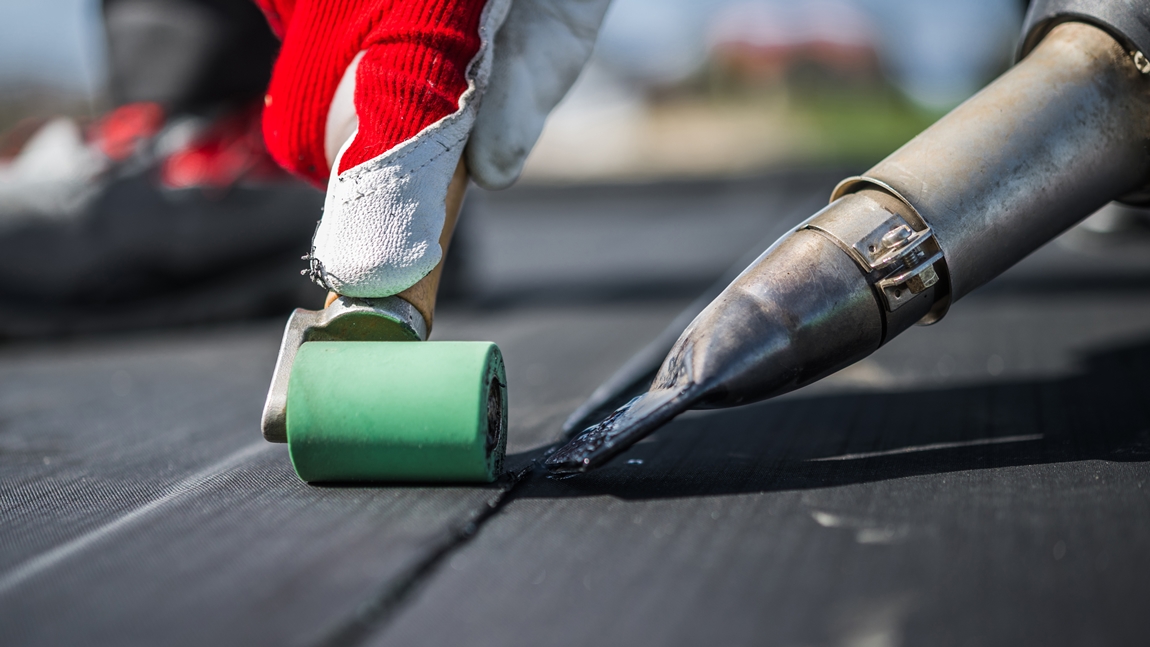
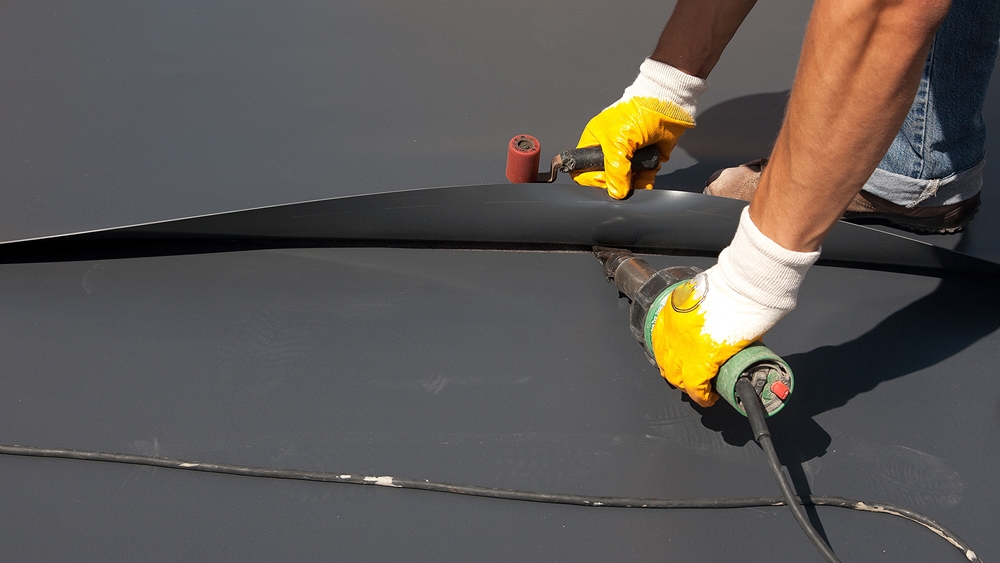
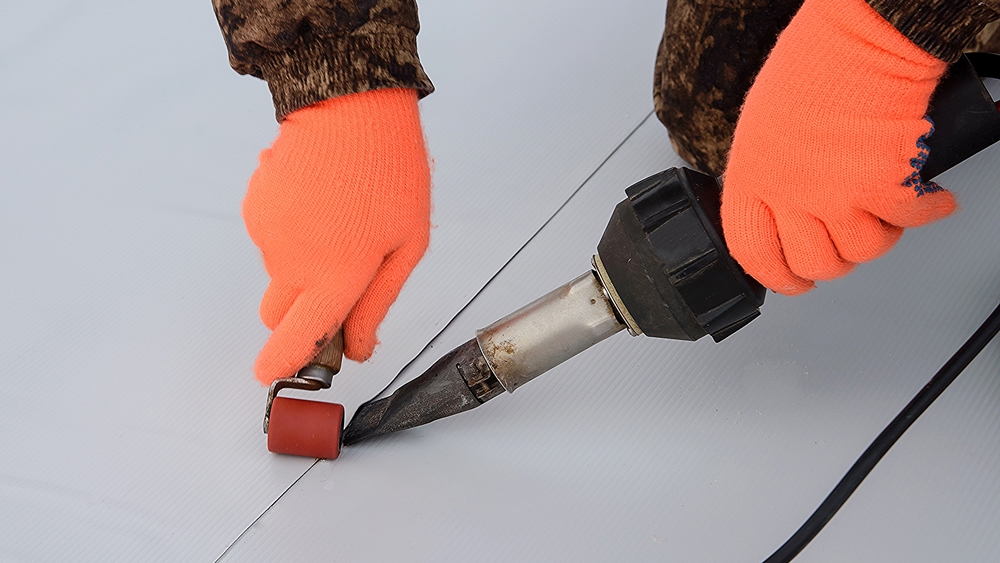
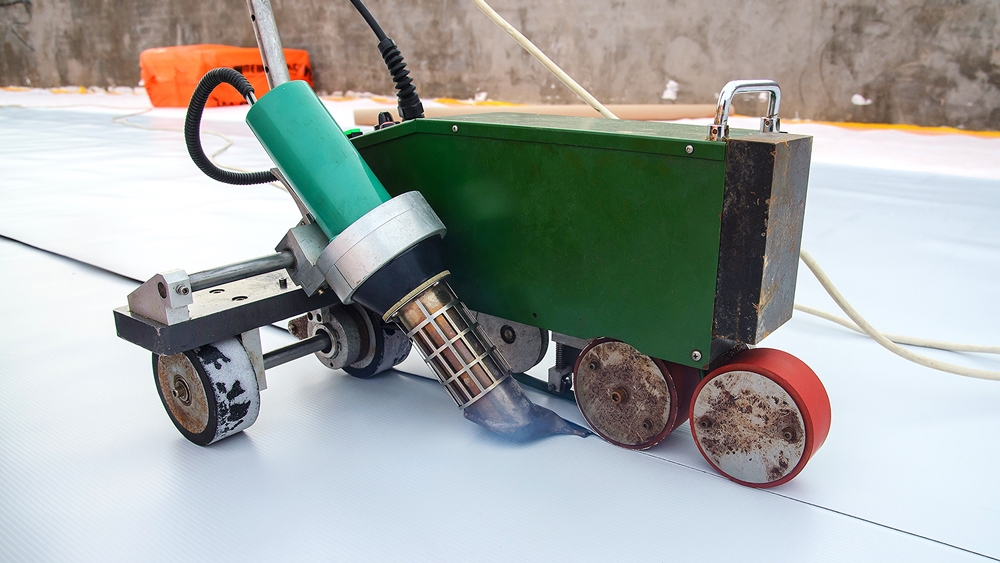
PVC membranes are installed over a smooth, clean base prepared to ensure adhesion. The membrane can be secured using mechanical fasteners, adhesives, and heat-welded seams. Heat-welding tools are used along seams to create a durable, watertight bond. The edges are trimmed and sealed, and the surface is inspected for consistency and coverage. PVC membranes are ideal for commercial buildings due to their chemical resistance and flexibility.
- TPO Membrane (Thermoplastic Polyolefin):
TPO membranes are unrolled over the cleaned and prepped roof surface. Proper alignment and tensioning during this stage ensure the membrane lies flat, preventing wrinkles or gaps. The membrane is then secured to the substrate using adhesives or mechanical fasteners. Overlapping sections are fused with heat-welded seams, creating watertight joins. TPO is particularly suitable for large-scale commercial projects due to its affordability and UV resistance.
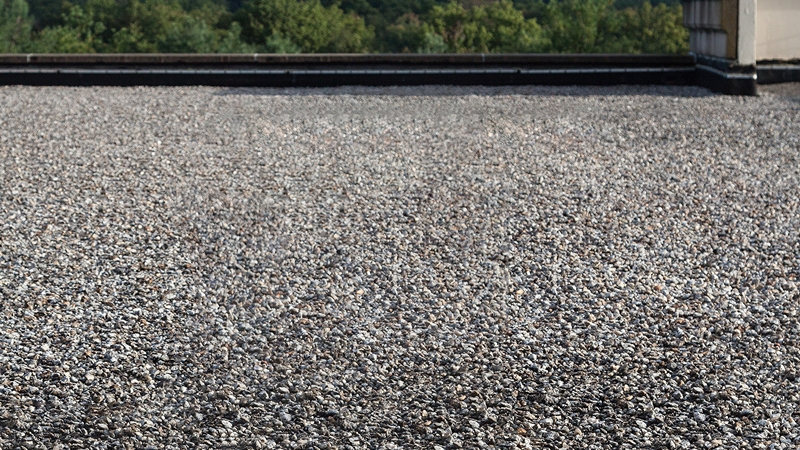
The installation of BUR begins with proper cleaning and priming of the roof surface to ensure a strong bond and optimal performance. The process then involves alternating layers of hot bitumen and reinforcing fabrics, such as felts or mats, which can vary to influence performance and durability. A final layer of gravel, reflective coating, or other materials is added to enhance the roof’s functionality, aesthetics, or protection from weathering and UV exposure. This multi-layered system forms a durable, long-lasting waterproof barrier, making it ideal for flat roofs.
- Liquid-Applied Membranes:
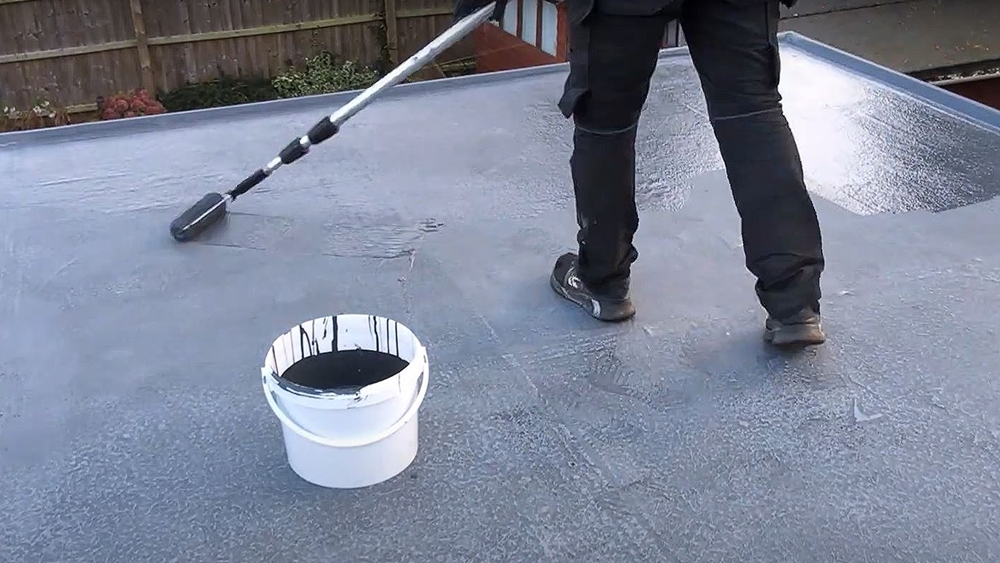
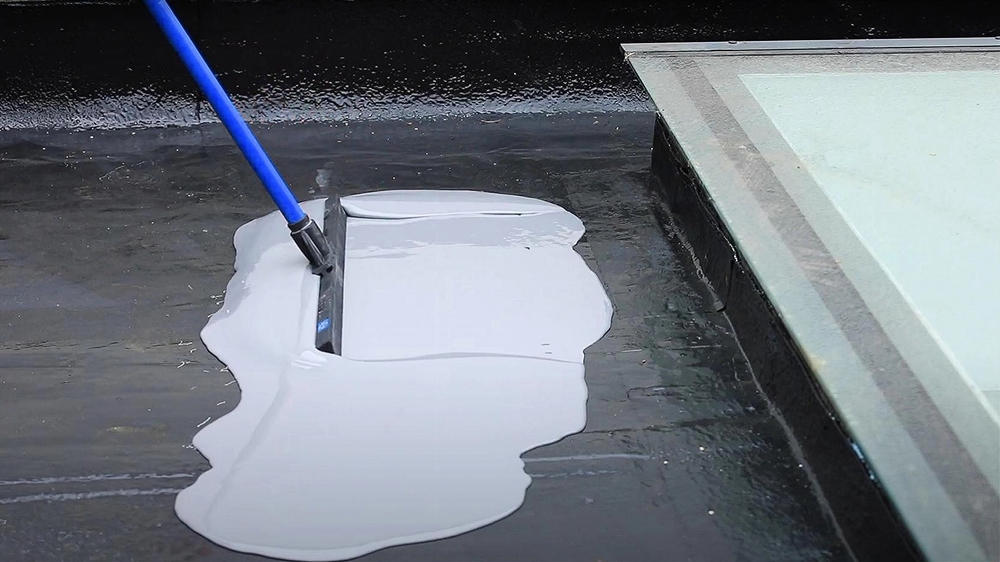
The substrate is cleaned and primed to ensure proper adhesion. The liquid membrane is then applied using a roller, brush, or spray equipment. Multiple coats may be necessary, with adequate curing time between applications to achieve the desired thickness and performance. This seamless, watertight solution is particularly effective for roofs with intricate shapes or as an overlay for existing roofing materials.